
10N / 11D
Duration: Delhi - Agra - Jaipur - Bikaner - Jaisalmer - Jodhpur - Udaipur -
This carefully designed Taj Mahal & Heritage Tour of India connects the grandeur of Mughal architecture with the royal legacy of Rajasthan. From Delhi’s imperial monuments to the timeless beauty of the Taj Mahal and onward to desert kingdoms, this itinerary reveals India’s most celebrated historical treasures in a seamless route.
The journey combines UNESCO World Heritage monuments, fortified cities, royal palaces, desert landscapes and living cultural traditions. Each destination introduces a new chapter of Indian history — Sultanate dynasties, Mughal emperors, Rajput warriors and merchant communities that shaped trade and art across centuries.
Private guided sightseeing, comfortable hotels, curated experiences and well-paced travel ensure that history is not just observed but understood. This tour is ideal for travelers seeking a balanced mix of heritage, architecture, desert culture and royal Rajasthan.
Upon arrival at Delhi International Airport, you will be welcomed and transferred to your hotel. India’s capital reflects layers of history, where ancient empires, Mughal rulers and British architects have left lasting impressions on the cityscape. After check-in and a short rest, begin your half-day guided sightseeing of Delhi.
Start in Old Delhi with a visit to Jama Masjid, one of the largest mosques in India, built by Mughal Emperor Shah Jahan. The mosque’s grand courtyard and red sandstone structure reflect classical Mughal design. Continue to Raj Ghat, the serene memorial dedicated to Mahatma Gandhi, located on the banks of the Yamuna River.
Proceed toward New Delhi to visit Humayun’s Tomb, an early masterpiece of Mughal architecture that later inspired the Taj Mahal. Continue to Qutub Minar, a towering minaret built in the 12th century, representing Indo-Islamic craftsmanship. Drive past India Gate and key government buildings before returning to your hotel. Overnight stay in Delhi.
After breakfast, drive to Agra, once the flourishing capital of the Mughal Empire. The journey takes you through northern Indian countryside before reaching the historic city situated along the Yamuna River. Upon arrival, check into your hotel and prepare for guided sightseeing.
Begin with a visit to the world-renowned Taj Mahal, built by Emperor Shah Jahan in memory of his wife Mumtaz Mahal. The white marble mausoleum stands within a charbagh garden layout symbolizing paradise. Intricate inlay work, symmetry, and spiritual symbolism make it one of the most admired monuments globally.
Continue to Agra Fort, a massive red sandstone fortification that served as the main residence of Mughal emperors before Delhi became the capital. Inside, explore audience halls, royal chambers and balconies overlooking the Taj Mahal. Visit Itmad-ud-Daulah, often called the “Baby Taj,” followed by Mehtab Bagh for a scenic riverside perspective. Overnight stay in Agra.
After breakfast, depart for Jaipur, the capital of Rajasthan. The drive marks a transition from Mughal territories to Rajput kingdoms. Upon arrival in Jaipur, check into your hotel and enjoy the remainder of the day at leisure.
Jaipur, founded in 1727 by Maharaja Sawai Jai Singh II, was India’s first planned city. Its pink-hued buildings, bustling bazaars, and royal heritage create a distinct atmosphere. The city was painted pink to welcome Prince Albert in the 19th century, giving it the name “Pink City.”
Spend the evening relaxing or exploring local markets independently. Overnight stay in Jaipur.
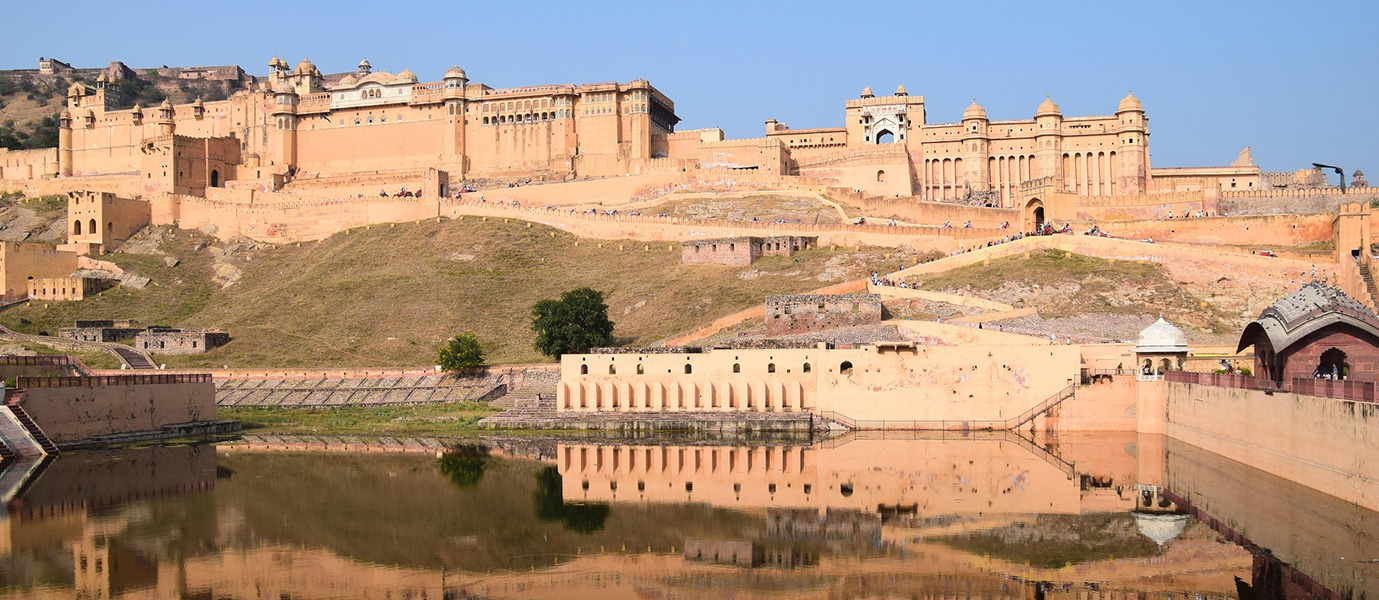
After breakfast, proceed for an excursion to the majestic Amber Fort, located on a hill overlooking Maota Lake. A jeep ride takes you to the entrance, where ornate gateways lead into courtyards and royal chambers. The fort’s Sheesh Mahal (Mirror Palace) reflects refined Rajput-Mughal architecture.
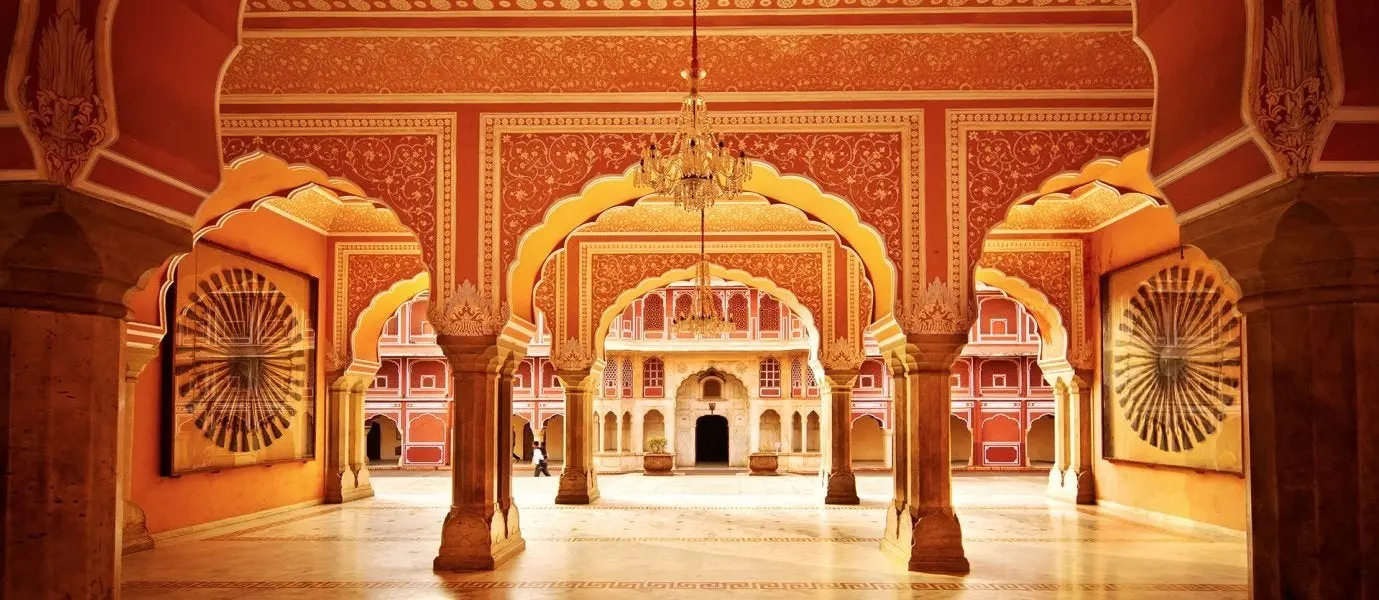
Return to Jaipur city to visit the City Palace complex, still partially inhabited by the former royal family. The museum displays royal garments, weapons, manuscripts and art collections. Nearby stands Jantar Mantar, an 18th-century astronomical observatory featuring large stone instruments designed for celestial calculations.
Conclude with a photo stop at Hawa Mahal, the Palace of Winds. Its intricately carved windows allowed royal women to observe street processions unseen. The structure remains one of Jaipur’s most photographed landmarks. Overnight stay in Jaipur.
After breakfast, drive toward Bikaner, located in the desert region of Rajasthan. The journey offers views of arid landscapes, small villages and traditional rural life. On arrival, check into your hotel and relax.
Bikaner was founded in 1488 by Rao Bika and grew into a prosperous desert kingdom due to its strategic location on caravan trade routes. The city reflects Rajput military strength blended with Mughal artistic influence.
The evening is free for leisure. You may choose to explore nearby local markets or relax at your hotel. Overnight stay in Bikaner.
After breakfast, begin your guided sightseeing of Bikaner. Start with the impressive Junagarh Fort, built in the 16th century by Raja Rai Singh. Unlike many Rajasthan forts, Junagarh is not built on a hill but still stands as one of the most formidable fortresses in the region. Inside, explore ornate palaces such as Anup Mahal and Phool Mahal, decorated with gold leaf work, mirror mosaics and intricate carvings that reflect Rajput and Mughal influences.
Continue to Lalgarh Palace, an architectural masterpiece built in Indo-Saracenic style by Maharaja Ganga Singh in memory of his father. The palace showcases detailed latticework, carved balconies and expansive courtyards. Later visit the famous Karni Mata Temple, popularly known as the Rat Temple, located about 30 km from Bikaner. The temple is unique in religious tradition and holds deep local significance.
Before departing, stop at the National Camel Research Centre, one of Asia’s largest camel breeding farms. Camels have historically been essential to desert trade and survival in Rajasthan. After sightseeing, drive toward Jaisalmer through the Thar Desert landscape. Upon arrival, check into your hotel. Overnight stay in Jaisalmer.
After breakfast, begin your exploration of Jaisalmer, famously known as the “Golden City.” Visit the magnificent Jaisalmer Fort (Sonar Kila), rising dramatically above the desert sands. Built in yellow sandstone, the fort glows golden under sunlight and remains one of the few living forts in the world where residents still inhabit the inner quarters.
Inside the fort complex, explore Jain temples adorned with intricate carvings and narrow lanes filled with traditional shops and houses. Continue to the beautifully carved merchant mansions including Patwon Ki Haveli and Salim Singh Ki Haveli, both reflecting the prosperity of traders who once controlled caravan routes between India and Central Asia.
In the evening, drive to the Sam Sand Dunes. Experience a camel ride across the desert as the sun sets over rolling dunes. Cultural performances featuring Rajasthani folk music and dance accompany a traditional dinner experience (tented accommodation available seasonally from September to March). Overnight stay in Jaisalmer.
After breakfast, drive toward Jodhpur, another prominent Rajput kingdom. The journey takes you across desert terrain gradually transitioning into rocky landscapes near the Aravalli foothills. On arrival in Jodhpur, check into your hotel.
Jodhpur is widely known as the “Blue City” due to the distinctive blue-painted houses surrounding its historic center. The old city is encircled by fortified walls stretching nearly 10 kilometers, featuring several gates that once protected the kingdom from invasions.
The remainder of the day is reserved for relaxation. You may explore local markets known for handicrafts, textiles, spices and traditional footwear. Overnight stay in Jodhpur.
After breakfast, begin sightseeing of Jodhpur with a visit to the commanding Mehrangarh Fort, perched atop a rocky hill. The fort houses an impressive museum displaying royal palanquins, weapons, costumes and paintings. From the fort walls, panoramic views of the blue city below create a dramatic scene.
Next, visit Jaswant Thada, a white marble cenotaph built in memory of Maharaja Jaswant Singh II. Its intricate latticework and peaceful surroundings offer a striking contrast to the massive fort nearby.
Later, drive toward Udaipur, stopping at the renowned Ranakpur Jain Temples. Built in the 15th century, this marble temple complex is celebrated for its 1,444 intricately carved pillars — no two pillars are identical. The temple’s architectural symmetry and spiritual atmosphere make it one of Rajasthan’s most remarkable religious monuments. Continue to Udaipur and check into your hotel. Overnight stay in Udaipur.
After breakfast, begin exploring Udaipur, often referred to as the “City of Lakes.” Founded by Maharana Udai Singh II in 1559, Udaipur became the capital of Mewar after Chittorgarh fell. The city’s serene lakes and palace architecture create a distinctive royal ambiance.
Start with Sahelion-Ki-Bari, a garden designed for royal ladies featuring marble pavilions, fountains and lotus pools. Continue to the Folk Art Museum, which displays traditional Rajasthani costumes, puppets, masks and paintings that represent regional cultural traditions.
Later, visit the grand City Palace, a sprawling complex overlooking Lake Pichola. Built over centuries, the palace includes courtyards, balconies, mirror work and miniature paintings. In the evening, enjoy a boat ride on Lake Pichola, offering scenic views of the Lake Palace and Jag Mandir Island Palace. Overnight stay in Udaipur.
After breakfast, you will be transferred to Udaipur Airport for your onward journey. The tour concludes after covering some of India’s most iconic Mughal monuments, Rajput forts, desert cities and lake palaces, creating a comprehensive heritage experience across northern and western India.
 Inclusions & Exclusions
Important Notes
Inclusions & Exclusions
Important Notes
Share your details and receive a personalized India travel itinerary with handpicked hotels and private driver services.